Small Repair Errors Can Lead to Cracks, Bumps, and Repeat Damage
Drywall repairs look simple, but small mistakes can ruin the final result. The most common problems during drywall patching include poor surface prep, using too much compound, skipping dry time, and sanding the wrong way. These errors can cause cracks, visible seams, and uneven walls. If you want a smooth finish that blends in, it helps to know what to avoid before you start.
Why Prevention Matters
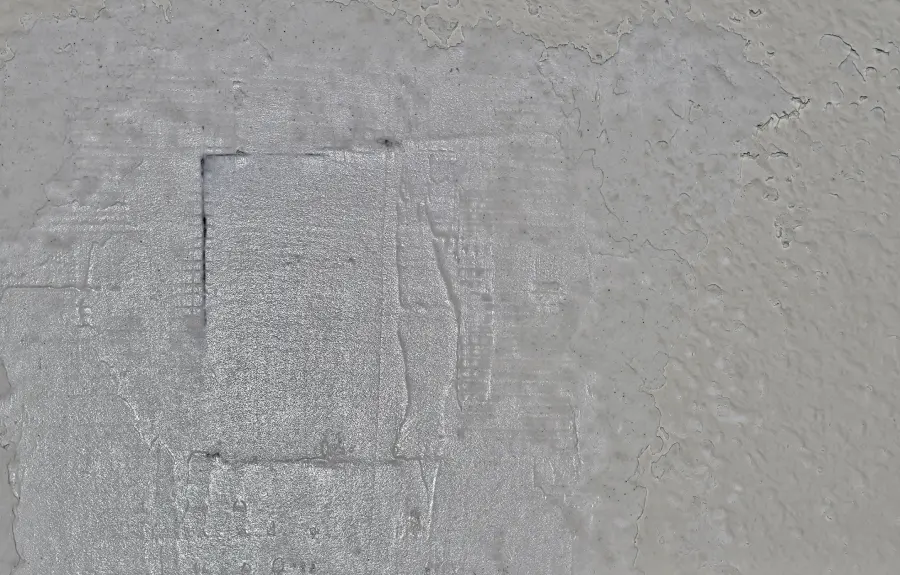
Drywall patching is often done to fix holes, dents, or cracks. When done right, the repair should be almost invisible. When done wrong, the patch stands out more than the original damage. You may see raised areas, tape lines, or chipped paint.
Fixing a bad repair often takes more time than doing it right the first time. You may have to scrape off compound, reapply tape, or repaint the entire wall. Preventing mistakes saves effort and limits extra material costs. A careful approach also protects nearby trim, floors, and furniture.
Early Warning Signs of Trouble
Some issues show up right away. Others appear days later. Watch for these signs:
- Cracks forming around the patched area
- Bulges or raised tape lines
- Visible seams after painting
- Soft spots when you press on the wall
- Flaking or peeling paint over the patch
If you notice any of these, the repair may not have bonded well. Moisture, dust, or poor support behind the hole are common causes.
Simple Checklist Before You Start
A basic checklist can help you avoid problems during drywall patching.
- Clear loose debris from the damaged area.
- Wipe away dust with a dry cloth.
- Use a proper patch or backing support for larger holes.
- Apply thin layers of joint compound.
- Let each layer dry fully before sanding.
- Sand lightly and evenly.
- Prime before painting.
Skipping even one step can affect the final look. For example, painting over raw compound without primer can lead to dull spots that do not match the rest of the wall.
Best Practices for Long-Term Results
One of the biggest mistakes during drywall patching is rushing the process. Joint compound needs time to dry. If you apply a second coat too soon, the surface may shrink or crack later.
Another common error is applying thick layers to fill a deep hole. Thick compound takes longer to dry and may sag. It is better to build up the area with several thin coats. This creates a stronger and smoother finish.
Using the wrong tools also causes trouble. A wide taping knife helps feather the edges so the patch blends into the wall. A small knife can leave sharp lines. Light sanding with fine grit paper keeps the surface smooth without gouging the patch.
Proper lighting makes a big difference. Shine a light across the wall while sanding. This shows bumps and low spots that are hard to see straight on.
What Not to Do
Many DIY repairs fail because of preventable mistakes. Avoid these habits:
- Do not patch over crumbling drywall.
- Do not skip drywall tape on cracks.
- Do not soak the area with water.
- Do not over sand and expose tape.
- Do not ignore signs of moisture damage.
If a hole was caused by a plumbing leak, sealing it without fixing the source will lead to repeat damage. In that case, drywall patching alone will not solve the problem.
Another mistake is using spackle for large repairs. Lightweight spackle works for tiny nail holes. Larger openings need proper patch material and joint compound for strength.
When to Schedule Professional Help
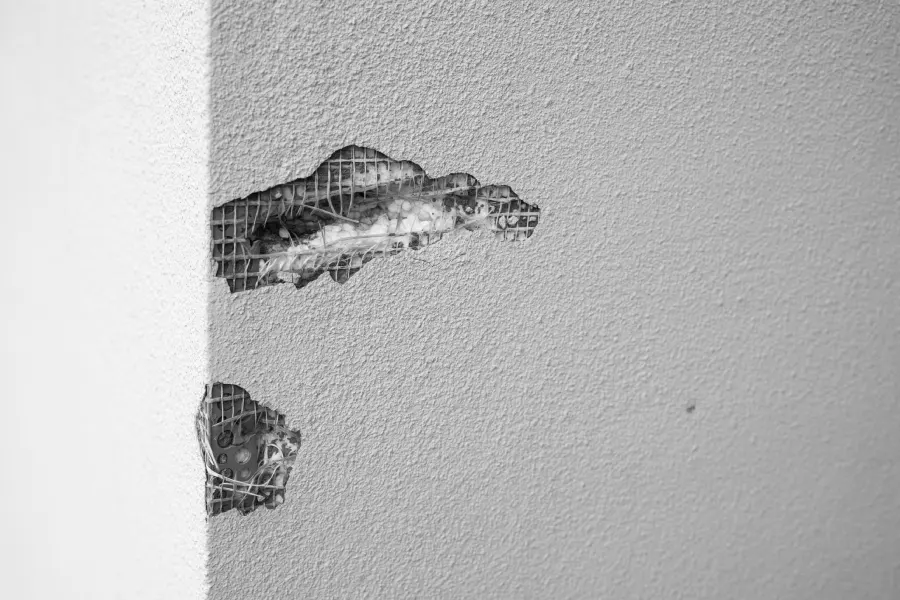
Small dings and nail holes are usually manageable for homeowners. Larger damage is different. Holes bigger than a few inches often require cutting out a clean square and adding support behind the wall. This step can feel tricky without experience.
Ceiling repairs are also more difficult. Compound can drip or sag, and sanding overhead is messy. Cracks that keep coming back may point to structural movement. In these cases, calling a professional can save time and frustration.
If you want a clean finish that matches surrounding texture and paint, professional drywall patching may be the better choice. Experienced crews know how to blend repairs so the wall looks whole again.
Get Reliable Help for Smooth, Lasting Repairs
If you are dealing with damaged walls in Riverside, CA, our team at Drywall Solutions is ready to help. We handle drywall patching of all sizes and focus on smooth, lasting results. Call us at (909) 565-8586 to schedule service or ask about your repair needs, and we will be glad to assist you.