Simple Steps to Get Flat, Clean Walls That Look Professionally Done
If you want smooth, paint-ready walls, the key is careful prep, tight seams, and light, even coats of joint compound. Good drywall installation is not just about hanging sheets. It is about lining them up right, taping seams well, and sanding with care. When each step is done the right way, your walls will look flat and clean once painted.
What You Need Before Starting
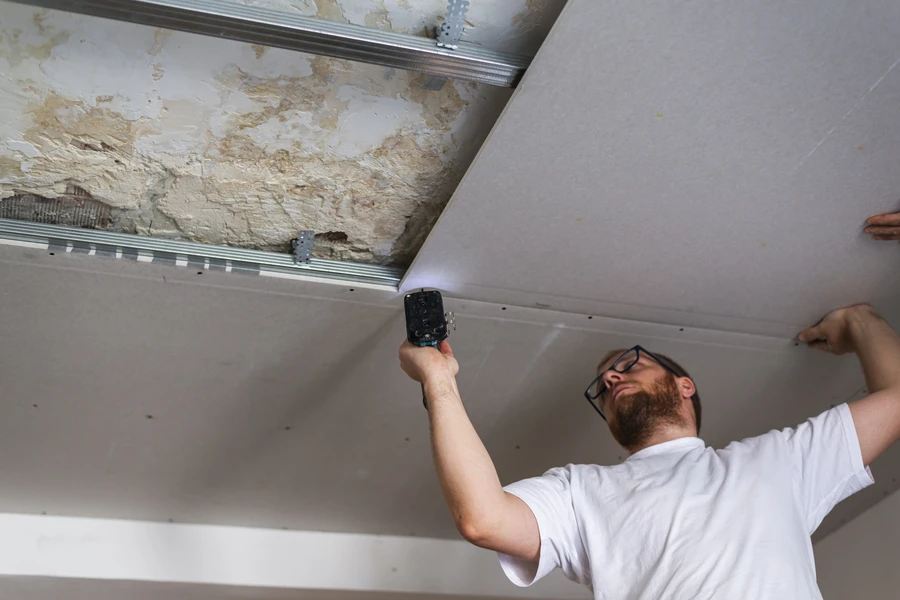
Before you begin drywall installation, gather all tools and materials. Having everything ready saves time and reduces mistakes.
- Drywall sheets
- Drywall screws or nails
- Drill or screw gun
- Drywall tape
- Joint compound (mud)
- Putty knives in different sizes
- Sanding block or pole sander
- Level and tape measure
- Utility knife
- Safety glasses and mask
If this project is part of a larger home upgrade, plan how it fits into your full remodeling schedule. Drywall work can get dusty, so it helps to finish it before painting or flooring.
Step-by-Step Process for a Smooth Finish
Follow these steps to improve the final result:
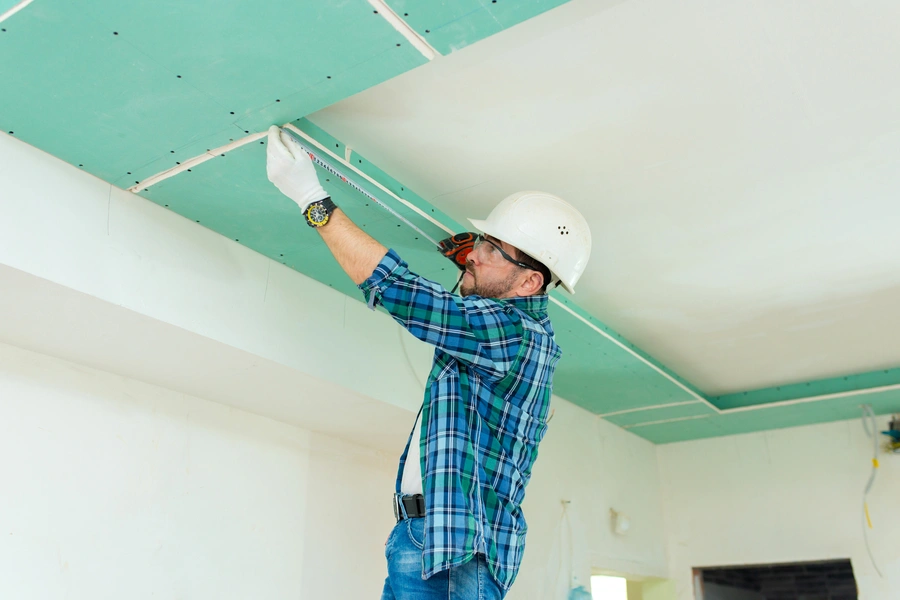
- Measure and cut carefully. Measure each wall section. Cut sheets to fit tight against studs.
- Hang sheets level. Use a level so each panel lines up straight. Stagger seams when possible.
- Secure with proper spacing. Place screws about 12 inches apart on walls. Drive them flush, not too deep.
- Tape the seams. Apply a thin layer of compound first. Press tape into the mud. Smooth out bubbles.
- Add joint compound in thin coats. Apply three light coats instead of one thick coat. Let each layer dry fully.
- Sand lightly between coats. Smooth rough spots, but avoid sanding down to the tape.
- Final sand and wipe down. Once dry, sand again and remove dust before primer.
Thin coats and patience make a big difference. Thick layers take longer to dry and often crack.
Common Mistakes to Avoid
Many uneven walls come from simple errors. Watch out for these problems during drywall installation:
- Overdriving screws and breaking the paper surface
- Leaving gaps between sheets
- Using too much joint compound at once
- Skipping sanding between coats
- Not checking for level before fastening panels
Another mistake is rushing drying time. If the compound is still damp, sanding will tear the surface and create more work. Take your time and let each layer dry fully.
When to Call a Professional
Small patch jobs are often manageable for homeowners. Large rooms, high ceilings, or textured finishes can be harder. If seams keep showing through paint, or walls look wavy in bright light, a professional may help fix the issue.
Ceilings are also tricky. Gravity works against you, and uneven compound stands out more overhead. If you are finishing a basement, adding a new room, or handling a full drywall installation for your home, expert help can save time and stress.
Final Recommendation and Next Steps
Smooth walls start with careful drywall installation and steady hands. If you want help with your home in Riverside, CA, we are ready to assist. At Drywall Solutions, we handle everything from hanging panels to final sanding with care and precision. Call us at (909) 565-8586 to schedule your project, and we will make sure your walls are ready for paint and built to last.