
Simple Steps to Patch and Blend Wall Texture
If your wall texture is chipped, cracked, or peeling, you can repair it by patching the damaged area, matching the existing pattern, and repainting the surface. The key is to blend the new texture into the old so the repair does not stand out. With the right tools and a little patience, most small drywall texturing damage can be fixed in a day.
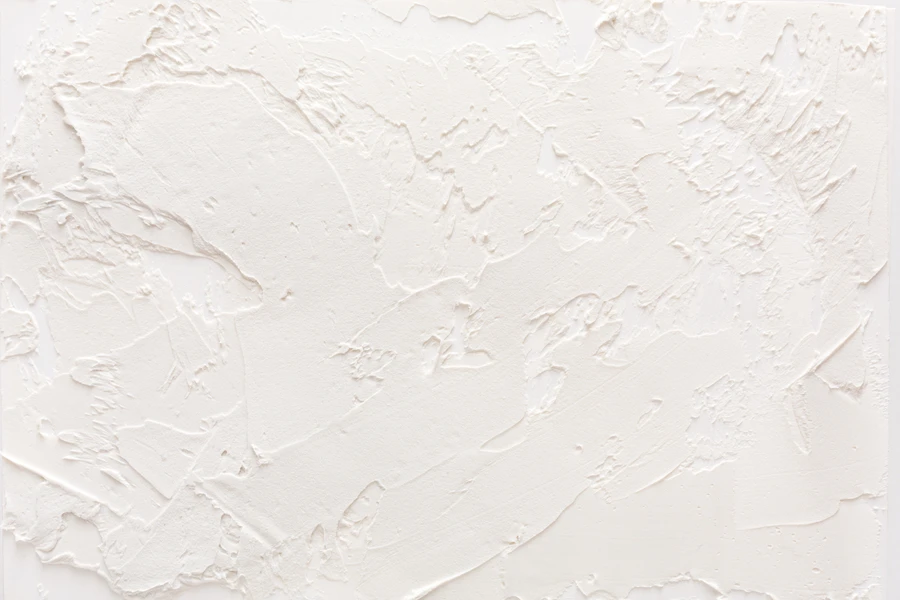
What You Need Before You Start
Before you begin repairing drywall texturing, gather all your tools and materials. Having everything ready saves time and helps you work smoothly.
- Drop cloth or plastic sheet
- Putty knife or taping knife
- Sandpaper (120 to 220 grit)
- Joint compound
- Texture spray or texture brush
- Primer
- Matching paint
- Clean rag or sponge
If the damaged area is large or deep, you may also need a drywall patch and extra compound. Make sure the wall is clean and dry before starting. Dust or grease can keep new material from sticking well.
Step-by-Step Process to Repair the Damage
Follow these simple steps to repair damaged drywall texturing and restore a smooth, even look.
- Protect the area. Lay down a drop cloth and tape off nearby trim or outlets.
- Remove loose material. Use a putty knife to scrape away cracked or peeling texture.
- Sand the edges. Lightly sand around the damaged spot so the patch blends better.
- Apply joint compound. Spread a thin layer over the damaged area. Smooth it out and feather the edges.
- Let it dry. Dry time can take several hours. Check the product label.
- Sand again if needed. Lightly sand once the compound is dry to remove high spots.
- Add matching texture. Spray or dab on texture that matches your wall pattern. Start light and build slowly.
- Prime and paint. Once the texture is dry, apply primer, then paint to match the rest of the wall.
Take your time during the texture step. Matching the pattern is the hardest part. Test the spray or brush technique on a piece of cardboard first.
Common Mistakes to Avoid
Many wall repairs stand out because of simple mistakes. Avoid these problems for a better result.
- Skipping primer before painting
- Applying texture too heavily
- Not matching the existing pattern
- Forgetting to sand between layers
- Painting before the patch is fully dry
Applying too much texture at once is a common issue. It is easier to add more than to scrape off excess. Also, paint can look different on a patched area if it is not primed first.
When to Call a Professional
Small dents and cracks are manageable for many homeowners. Larger issues may need expert help. If the drywall has water damage, mold stains, or wide cracks, repairs can get more involved. In these cases, the texture is only one part of the problem.
If the ceiling is damaged or the texture is a heavy knockdown or popcorn style, matching it can be tricky. Uneven blending is easy to spot when light hits the wall at an angle. A professional crew has the tools and experience to match drywall texturing patterns across large areas.
Major repairs may also fall under broader drywall services, especially if panels need to be replaced. Fixing the structure first helps the new surface last longer.
Final Recommendation and Local Help
If you are in Riverside, CA and want clean, seamless results without the stress, our team at Drywall Solutions is ready to help. We handle everything from small wall patches to full drywall texturing repairs, and we take pride in smooth blends that look natural. Call us at (909) 565-8586 to schedule a visit and let us restore your walls to a fresh, updated look.