
How to Fix Wall Cracks so They Blend in Smoothly
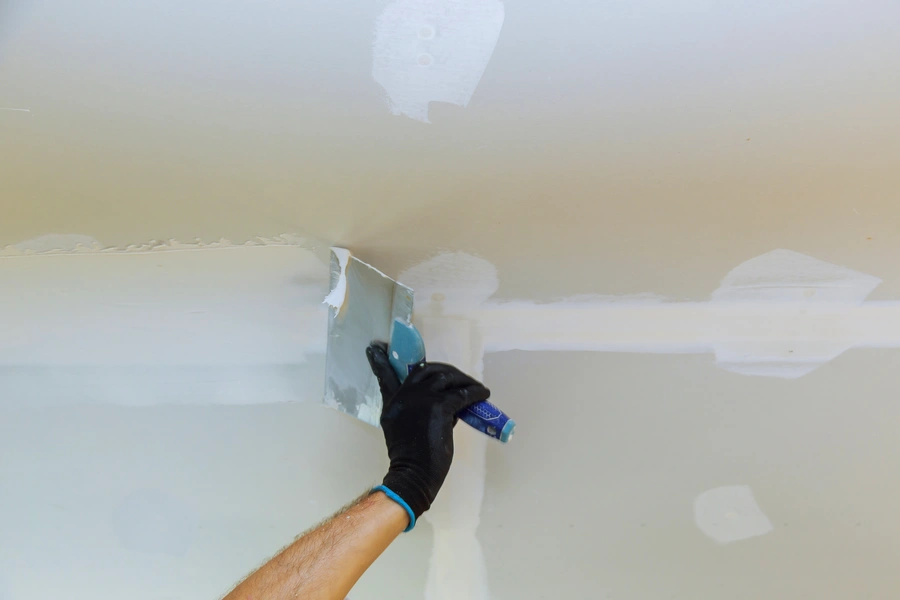
Seamless drywall crack repair starts with cleaning the crack, securing loose material, applying joint compound in thin layers, sanding it smooth, and finishing with primer and paint. When done the right way, the wall looks flat and even again. Small cracks are common in many homes, and with the right steps, you can fix them so they are almost impossible to see.
What You Need Before Starting
Having the right tools makes drywall repair much easier. You do not need fancy equipment, but you do need the basics.
- Utility knife
- Putty knife (6-inch works well)
- Joint compound
- Drywall tape (paper or mesh)
- Sandpaper or sanding block (120-220 grit)
- Primer
- Matching paint
- Clean cloth
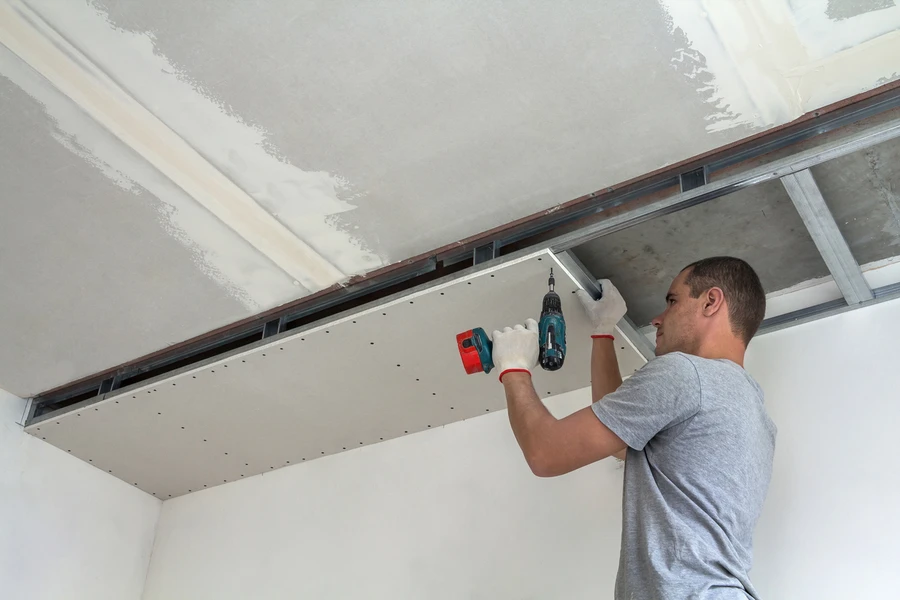
If the crack is wide or the drywall feels loose, you may also need drywall screws and a screwdriver. Make sure the area is dry and free from dust before you begin.
Step-by-Step Process for a Smooth Finish
Follow these steps carefully. Rushing often leads to bumps or visible lines.
- Widen the crack slightly. Use a utility knife to open the crack just a bit. This helps the joint compound stick better.
- Clean out dust. Wipe the area with a dry cloth so no loose debris remains.
- Apply drywall tape. Place mesh or paper tape over the crack. This helps stop the crack from coming back.
- Spread the first coat of joint compound. Use your putty knife to apply a thin layer over the tape. Keep it smooth and flat.
- Let it dry completely. Dry time depends on the product, but most take several hours.
- Sand lightly. Smooth out any ridges. Do not sand too hard.
- Add a second coat. Spread a wider, thin layer to blend the area into the wall.
- Sand again when dry. The surface should feel even with the rest of the wall.
- Prime and paint. Always apply primer before painting. Then match the wall color.
Thin layers are the secret to a clean drywall repair. Thick layers crack or shrink as they dry.
Common Mistakes to Avoid
Many crack repairs fail because of small errors. Watch out for these problems.
- Skipping drywall tape
- Using too much joint compound at once
- Not allowing full drying time
- Forgetting to sand between coats
- Painting without priming first
Another mistake is ignoring the cause of the crack. Some cracks happen from normal settling. Others may come from moisture or framing movement. If the crack keeps coming back, there may be a deeper issue behind the wall.
When to Call a Professional
Small hairline cracks are usually simple to fix. Large cracks, ceiling cracks, or cracks that keep reopening can be more serious. If the drywall is bulging, soft, or stained, there could be water damage. That type of drywall repair often involves replacing sections of the wall.
Homes with foundation movement may show long cracks above doors and windows. In those cases, patching alone will not solve the problem. A trained crew can inspect the structure and suggest the best plan.
Professional drywall repair also helps when you want a flawless finish. Matching texture, especially on ceilings, can be tricky. Even small flaws stand out under bright light.
Final Recommendation and Help in Riverside, CA
If you are dealing with cracked walls in Riverside, CA, we can help restore them to a smooth, clean finish. At Drywall Solutions, our team handles everything from small patch jobs to larger drywall repair projects with care and attention to detail. We focus on solid prep work and smooth blending so repairs do not stand out. Call us at (909) 565-8586 to schedule service or ask questions about your wall damage, and we will be glad to help.