
How to Fix Small Holes and Cracks in Your Walls
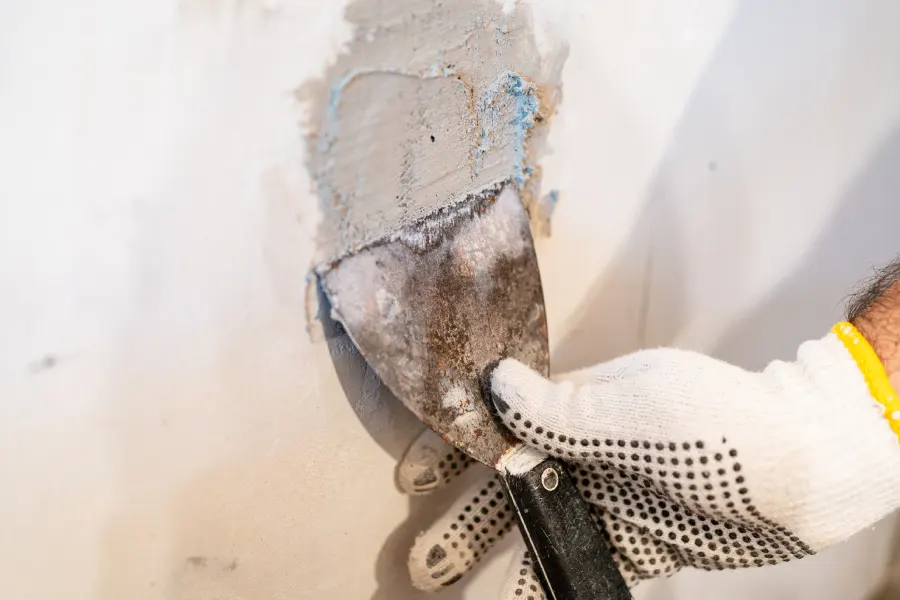
Drywall patching is a simple process when you follow clear steps. You clean the damaged area, apply a patch or joint compound, sand it smooth, and repaint the surface. Most small holes from nails, screws, or minor dents can be fixed in one afternoon with basic tools. Larger holes take more time and care, but the steps are still easy to follow for many homeowners.
What You Need Before Starting
Before you start drywall patching, gather your tools and supplies. Having everything ready will save time and reduce mess.
- Putty knife or taping knife
- Joint compound or spackle
- Sandpaper (120- to 220-grit)
- Drywall patch kit (for medium or large holes)
- Utility knife
- Dust mask
- Primer and matching paint
Clear the area around the wall. Move furniture if needed. Lay down a drop cloth to catch dust. Good lighting also helps you see uneven spots before painting.
Step-by-Step Drywall Patching Process
Follow these steps for most small to medium wall repairs:
- Clean the area. Remove loose drywall, chipped paint, or dust. Use a utility knife to trim rough edges.
- Apply the patch if needed. For holes larger than a nail hole, place a self-adhesive mesh patch over the opening.
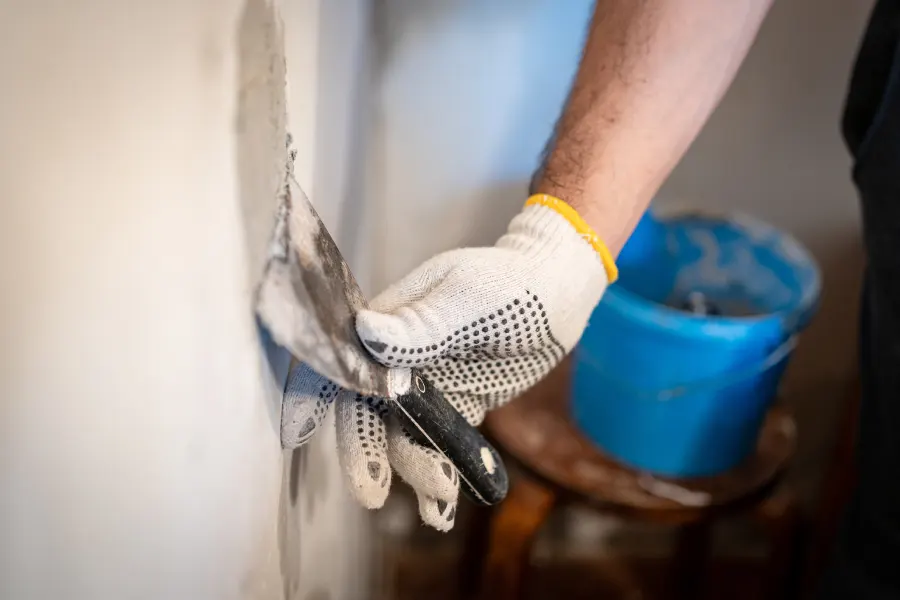
- Spread joint compound. Use a putty knife to apply a thin layer over the hole or patch. Feather the edges so the compound blends into the wall.
- Let it dry. Drying time depends on the product used. Check the label for guidance.
- Sand the surface. Lightly sand until smooth and level with the wall. Wipe away dust.
- Apply a second coat if needed. Some repairs need another thin layer for a flat finish.
- Prime and paint. Once dry and smooth, apply primer, then paint to match the wall.
Take your time during sanding. Rushing can leave bumps or visible lines after painting.
Common Mistakes to Avoid
Many homeowners run into the same problems during drywall patching. Avoid these mistakes to get better results:
- Applying too much compound at once
- Skipping sanding between coats
- Not letting the compound dry fully
- Forgetting to prime before painting
Thick layers take longer to dry and may crack. Thin, even layers work best. Also, always check your paint finish. Flat, satin, and semi-gloss paints reflect light in different ways. A mismatched finish will stand out, even if the color matches.
When to Call a Professional
Some wall damage is more serious than it looks. Large holes, water damage, or cracks that keep coming back may point to deeper issues. If drywall feels soft, stained, or sagging, there could be a plumbing leak or structural problem behind it.
Ceiling repairs can also be tricky and messy. Working overhead is harder and often requires special tools. If you are dealing with repeated damage, uneven framing, or visible seams across a wide area, professional drywall patching may be the safer choice.
A trained crew can match textures, blend repairs, and repaint without leaving visible marks. This is helpful if your home has textured finishes or older plaster walls mixed with drywall.
Final Recommendation and Help in Your Area
If you are dealing with small holes or minor wall damage, these steps can help you handle basic drywall patching on your own. For larger repairs or detailed finishes in Riverside, CA, we are ready to help. At Drywall Solutions, our team handles everything from small patches to full wall restoration. Call us at (909) 565-8586 and let us take care of your walls so they look smooth and clean again.